






What Is GLP-1 Ozempic?
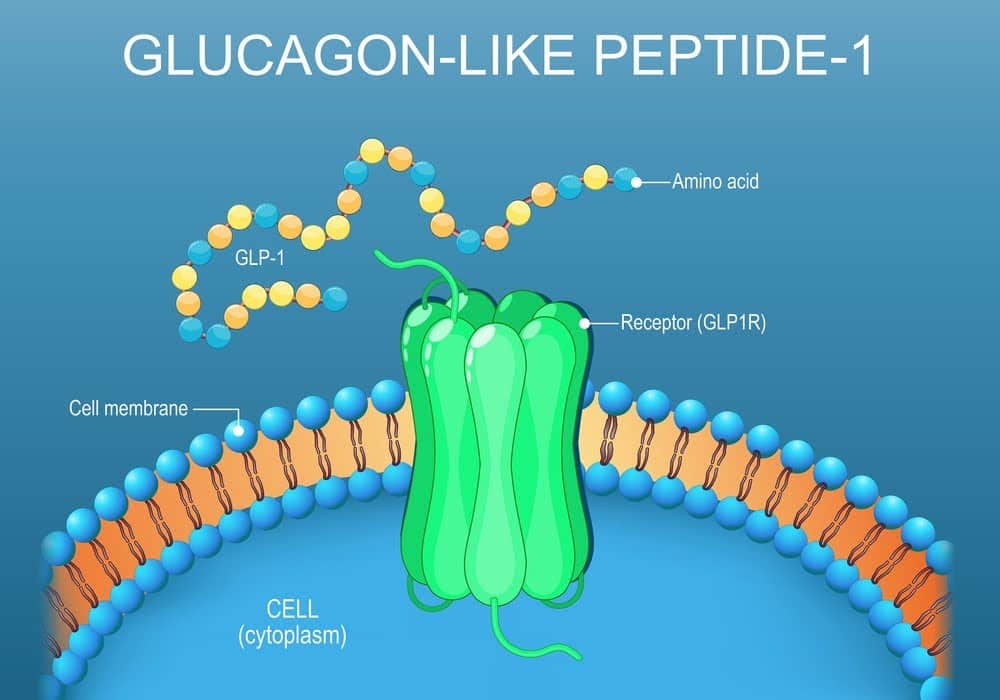
Glucagon-like peptide-1 (GLP-1) receptor agonists (semaglutide; brand names – Wegovy, Ozempic, Rybelsus) and dual incretin agonists, which contain both GLP-1 and GIP or gastric inhibitory polypeptide (tirzepatide; brand names – Zepbound, Mounjaro), are medications that reduce food cravings, slow digestion, increase fullness or satiety, and can help manage blood glucose. They typically lead to greatly reduced food intake, which has made them popular treatments for obesity.
Why GLP-1 Medications Require Dietitian Support
Initial evaluation and ongoing follow-up every 2 months by a Registered Dietitian are ideal, especially during the dose-escalation period. Inadequate micronutrient, protein, and fluid intake and excessive weight loss can occur while on these medications due to a reduction in appetite and cravings and/or potential side effects (nausea, reflux, constipation). A Registered Dietitian in Winnipeg can provide guidance on managing side effects and preventing nutrient deficiencies.
The efficacy of GLP-1 medications to produce weight loss is highly variable and individual. A dietitian can provide strategies to assist those deemed “low responders” (individuals who lose <5% of their body weight in 12-16 weeks after starting a GLP-1).
Guidance from a Registered Dietitian may also help prevent weight regain once an individual reaches their goal weight and wishes to taper off their GLP-1 medication.
How GLP-1 Medications Cause Muscle Loss
Muscle loss can be significant while taking GLP-1 medications due to rapid weight loss, especially if individuals are consuming inadequate amounts of protein and not engaging in resistance training. Studies have shown that, on average, 25 to 40% of weight loss can come from lean mass (both skeletal muscle and bone tissue). This is often higher than seen with other weight loss approaches, such as lifestyle interventions (10 to 25% from lean mass) and bariatric surgery (31% from lean mass).
Why The Scale Isn’t Enough To Track GLP-1 Results
Not all weight loss is healthy. Monitoring weight change on a scale does not capture the type of tissue that is being lost. Healthy weight loss in Winnipeg means minimizing loss of lean mass while reducing both visceral and subcutaneous fat mass.
How A DEXA Scan Shows What GLP-1 Medications Are Actually Doing To Your Body
A DEXA (dual energy X-ray absorptiometry) scan is a quick, painless, low-radiation imaging test that can be used to measure bone density (bone strength) and body composition (muscle, visceral fat, subcutaneous fat). A DEXA scan is a useful tool for monitoring changes in specific tissues while losing body weight with any weight loss intervention, including pharmacological interventions.
How The DEXA And Dietitian Package Works At Body Measure
Our package at Body Measure includes a DEXA scan followed by a meeting with the Registered Dietitian, who will interpret and explain the scan results and use these metrics to determine a personalized nutritional care plan.
Frequently Asked Questions
Can you get GLP-1 medications in Winnipeg?
To get a GLP-1 medication, you must have a prescription from a licensed physician or nurse practitioner. Prescriptions can be obtained via in-person clinics (family doctor or walk-in clinic) or online care platforms, which include a virtual consultation with a health care provider.
Do I need a dietitian if I’m already on Ozempic or Wegovy?
Yes. A Registered Dietitian should ideally be part of your health care team throughout your weight loss journey while on a GLP-1 medication.
How much protein should I eat on a GLP-1 medication?
Consuming adequate amounts of protein while taking a GLP-1 medication is critical to help minimize loss of muscle and bone tissue. The most accurate method to determine protein requirements is to base this on an individual’s actual lean mass or fat-free mass. This can be measured by having a DEXA scan. If this number is unknown, it is typically recommended that you aim for 1.0 to 1.5 grams of protein per kilogram of body weight.
How often should I get a DEXA scan while on a GLP-1?
Although there are no formal guidelines for how often to have a DEXA scan while on a GLP-1 medication, we suggest having a baseline scan prior to starting a GLP-1 medication with follow-up scans every 3-6 months to monitor changes in body composition. An annual DEXA scan is recommended for long-term monitoring of weight maintenance.
What is the difference between weight loss and body re-composition?
Weight loss generally refers to a decrease in total body mass or body weight. Body re-composition is the simultaneous process of losing body fat while maintaining or gaining lean mass.

Angela Martens, RD has been a Registered Dietitian for over 34 years, completing her undergraduate degree in 1991 and clinical internship in 1992. She also holds a Bachelor of Physical Education degree. Angela joined Body Measure part-time in November 2021.
Angela brings a wealth of clinical experience spanning diverse settings, including four years as an outpatient dietitian in Thunder Bay, Ontario, four years at the Victoria General Hospital, and over two decades at Cancer Care Manitoba. She has developed deep expertise in personalized nutrition using DEXA scan data, metabolic syndrome management, carbohydrate restriction strategies, sports nutrition, and nutritional support for clients on GLP-1 medications.
Angela creates individualized nutrition plans based on each client’s unique metrics — including body composition, lean mass, and resting metabolic rate — to set precise goals for calories, protein, carbohydrates, and fats. Rather than prescribing rigid meal plans, she focuses on equipping clients with the tools and skills they need to make lasting changes. She helps men and women address a wide range of concerns, including weight management, insulin resistance, Type 2 diabetes, fatty liver disease, PCOS, IBS, menopause-related changes, and stress-driven eating.
Angela’s philosophy centres on shifting the focus away from the scale and toward meaningful health markers. Her goal is to help each client understand their body’s physiology and make informed decisions that support long-term health.